One of the most frequently asked questions among Latter-day Saints — and one of the most searched gospel topics online — is whether repentance is possible after death. It's a question that touches the deepest concerns of the human heart: What happens to people who never heard the gospel? What about a loved one who struggled with faith? Is there still hope?
The answer from Latter-day Saint theology is both nuanced and deeply hopeful.
The Spirit World: A Place of Continued Growth
Latter-day Saint doctrine teaches that death is not the end of opportunity. After we die, our spirits enter the spirit world — a place divided into two general conditions that the scriptures call paradise and spirit prison (see Alma 40:11–14).
Paradise is described as "a state of rest, a state of peace" for the righteous. Spirit prison is a state where those who did not receive the gospel — or who rejected it in mortality — continue to exist as spirits. But crucially, spirit prison is not a final sentence. It is a place where the gospel is taught.
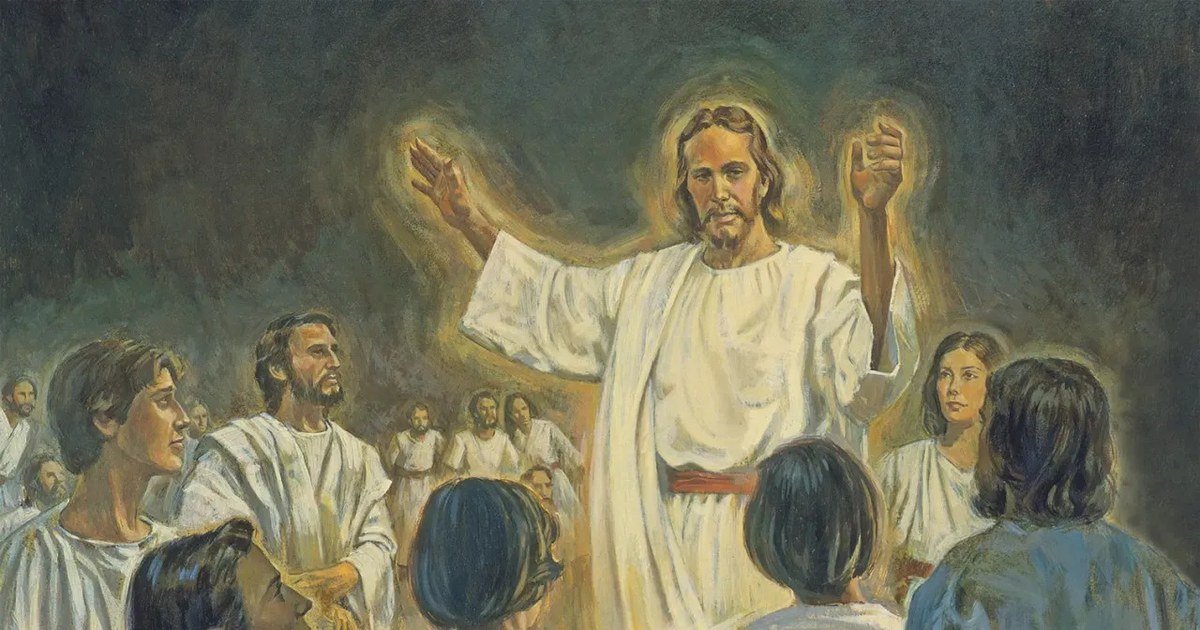
Christ's Visit to the Spirit World
The scriptural foundation for post-mortal gospel teaching comes from multiple sources. The apostle Peter wrote that Christ, after His crucifixion, "went and preached unto the spirits in prison" (1 Peter 3:18–20). Peter later added that "the gospel [was] preached also to them that are dead, that they might be judged according to men in the flesh, but live according to God in the spirit" (1 Peter 4:6).
In 1918, President Joseph F. Smith received a remarkable vision that expanded this understanding. Recorded as Doctrine and Covenants 138, the vision reveals that Christ organized the righteous spirits in paradise to carry the gospel message to those in spirit prison — "the dead who had died in their sins, without a knowledge of the truth, or in transgression, having rejected the prophets" (D&C 138:32).
The key verse: "The dead who repent will be redeemed, through obedience to the ordinances of the house of God" (D&C 138:58).
So Can People Repent After Death?
Yes — but with important context. Latter-day Saint doctrine draws a distinction between those who never had the opportunity to hear the gospel and those who had a clear opportunity and deliberately rejected it.
For those who never heard the gospel in mortality, the spirit world provides that chance. The gospel is taught there, and those who accept it can receive saving ordinances performed vicariously on their behalf in temples (see 1 Corinthians 15:29). This is why Latter-day Saints perform baptisms for the dead — not to force conversion, but to make the ordinance available for those who choose to accept it.
For those who knowingly and deliberately rejected the gospel in mortality, the path is less clear. The Book of Mormon warns against procrastinating repentance: "Do not procrastinate the day of your repentance until the end; for after this day of life, which is given us to prepare for eternity, behold, if we do not improve our time while in this life, then cometh the night of darkness wherein there can be no labor performed" (Alma 34:33–34).
However, even this passage should be understood in the broader context of God's mercy and justice. Elder Dallin H. Oaks has taught that we should not assume we fully understand the limits of God's mercy, and that the final judgment belongs to Christ alone.
Temple Work: The Bridge Between Worlds
The doctrine of vicarious ordinances — baptism, confirmation, endowment, and sealing performed in temples on behalf of the deceased — is central to this understanding. These ordinances don't compel anyone. They simply make the covenant path available. The individual spirit retains full agency to accept or reject the offered ordinance.
This is why family history and temple work are so deeply connected in Latter-day Saint practice. When members research their ancestors and perform temple ordinances for them, they are opening doors — not forcing anyone through them.
What This Means for You
If you've lost a loved one who wasn't a member of the Church, or who struggled with their faith, this doctrine offers genuine hope. It means God's plan doesn't end at the grave. It means every person — regardless of when or where they lived — will have a full and fair opportunity to hear, understand, and accept or reject the gospel of Jesus Christ.
It also means that mortality matters. The scriptures consistently teach that now is the time to prepare. The opportunity exists after death, but the conditions are different, and willful procrastination carries real consequences.
The balance of justice and mercy is real. God is perfectly just — no one will be condemned for what they never had the chance to learn. And God is perfectly merciful — the Atonement of Jesus Christ reaches beyond the veil of death.
Explore This Topic Further
Iron Rod AI can help you study what the scriptures, prophets, and apostles have taught about the spirit world, repentance, and the plan of salvation — with every answer verified by LDS TruthLock™ for doctrinal accuracy.
Try Iron Rod AI Free